Fire Risk Assessment: Standards, Codes, and Compliance
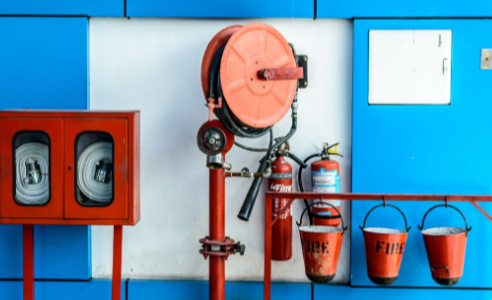
Fire safety is a critical aspect of protecting life, property, and business continuity. One of the most effective tools in fire safety management is a Fire Risk Assessment (FRA). Conducting a comprehensive FRA ensures that potential hazards are identified, risks are evaluated, and preventive measures are implemented to minimize the chance of fire incidents. Understanding standards, codes, and compliance requirements is essential for organizations to maintain a safe environment and adhere to legal obligations.
Understanding Fire Risk Assessment
A Fire Risk Assessment is a systematic process used to evaluate the likelihood and potential impact of fire hazards within a facility or premises. It involves identifying fire risks, assessing the severity of those risks, implementing control measures, and monitoring their effectiveness over time. Fire risk assessments are not only a regulatory requirement in many jurisdictions but also a proactive approach to preventing fire-related accidents and losses.
Key objectives of an FRA include:
- Identifying potential ignition sources and fuel materials
- Evaluating the effectiveness of existing fire protection measures
- Determining the potential impact on occupants, property, and business operations
- Recommending improvements to reduce fire risks and enhance safety
Fire Safety Standards
Fire safety standards provide guidelines and best practices to ensure effective fire prevention and response. Several organizations establish these standards globally, including:
- NFPA (National Fire Protection Association): Provides codes such as NFPA 101 (Life Safety Code) and NFPA 1 (Fire Code) for fire prevention, protection systems, and emergency planning.
- ISO (International Organization for Standardization): ISO 45001 addresses occupational health and safety, including fire hazards, while ISO 22320 provides guidance for emergency management and incident response.
- Local Fire Authorities: Many countries have local fire codes and regulations that organizations must comply with. These codes specify requirements for building design, fire detection, alarm systems, fire suppression equipment, and emergency evacuation procedures.
Adhering to these standards ensures a systematic approach to fire safety, reduces liability, and improves overall safety culture within the organization.
Fire Codes and Legal Requirements
Fire codes are enforceable regulations that organizations must follow to meet legal obligations. Compliance with fire codes is mandatory and is usually verified through inspections by local fire departments or regulatory authorities. Common requirements include:
- Installation and maintenance of fire alarms and sprinkler systems
- Clear and accessible emergency exits
- Regular fire drills and staff training
- Proper storage of flammable materials
- Documentation of fire safety procedures and risk assessments
Failure to comply with fire codes can result in fines, legal penalties, increased insurance premiums, and reputational damage. Therefore, organizations must prioritize compliance as part of their overall risk management strategy.
Compliance Strategies for Fire Risk Assessment
To ensure full compliance with fire safety standards and codes, organizations should adopt the following strategies:
- Conduct Regular Fire Risk Assessments: Regularly evaluate fire risks in all areas of the premises, including high-risk zones such as kitchens, storage areas, and laboratories.
- Implement Fire Safety Management Systems: Develop formal procedures for fire prevention, detection, response, and reporting.
- Staff Training and Awareness: Ensure employees are trained in fire safety practices, including the use of extinguishers, evacuation routes, and emergency response protocols.
- Routine Inspection and Maintenance: Fire detection and suppression systems should be inspected and maintained according to manufacturer guidelines and regulatory requirements.
- Documentation and Record-Keeping: Maintain detailed records of risk assessments, fire drills, maintenance activities, and incidents to demonstrate compliance during audits.
Read Also: Machine Learning in Everyday Life: Real-World Applications
Benefits of Following Standards, Codes, and Compliance
Adhering to fire safety standards and compliance codes offers numerous advantages:
- Enhanced Safety: Minimizes the risk of injury or fatalities in case of a fire
- Legal Protection: Reduces the risk of legal action due to non-compliance
- Financial Savings: Prevents losses from fire damage and lowers insurance costs
- Reputation Management: Demonstrates a commitment to safety, boosting stakeholder confidence
Conclusion
Fire risk assessment is an indispensable element of fire safety management. By understanding and adhering to standards, codes, and compliance requirements, organizations can create safer workplaces, protect lives, and safeguard assets. Proactive fire safety planning, combined with continuous monitoring and staff training, ensures that fire risks are effectively managed and mitigated.
FAQs
1. What is the purpose of fire risk assessment?
The purpose of a fire risk assessment is to identify fire hazards, evaluate risks, and implement control measures to prevent fire incidents and protect occupants and property.
2. Which standards are commonly followed for fire safety?
Common standards include NFPA codes, ISO standards like ISO 45001, and local fire safety regulations specific to each jurisdiction.
3. Is compliance with fire codes mandatory?
Yes, compliance is legally required in most countries. Organizations can face fines, legal action, or increased insurance costs if they fail to comply.
4. How often should fire risk assessments be conducted?
Fire risk assessments should be conducted at least annually, or more frequently if there are significant changes in the premises, operations, or occupancy.
5. Who is responsible for ensuring fire safety compliance?
Responsibility usually falls on the facility manager, safety officer, or business owner, but all staff should be aware of fire safety procedures and participate in compliance efforts.