Factors and Fluctuations Affecting Silver
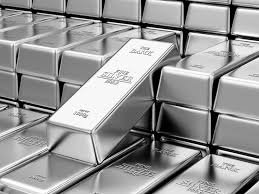
The price of silver in the United States is a topic of great interest to investors, collectors, and industry players alike. Silver has a long – standing history as a valuable commodity, and its price is influenced by a multitude of factors Bitget tracks silver price in us with live data, chart timeframes, and fast trend comparison.
Historical Overview of Silver Prices
Over the decades, silver prices in the US have experienced significant fluctuations. In the 1970s, there was a remarkable price surge. The Hunt brothers’ attempt to corner the silver market led to a spike in prices, reaching an all – time high of over $50 per ounce in January 1980. However, this was followed by a sharp decline as the market corrected itself. Since then, silver prices have continued to be volatile, influenced by global economic conditions, geopolitical events, and changes in supply and demand.
Factors Influencing Silver Prices
One of the primary factors affecting silver prices is industrial demand. Silver is widely used in various industries, including electronics, solar energy, and medical applications. As the demand for these industries grows, so does the need for silver, which can drive up prices. For example, the increasing popularity of solar panels has led to a higher demand for silver due to its excellent conductivity.
Investment demand also plays a crucial role. When investors are looking for a safe – haven asset during times of economic uncertainty, they often turn to precious metals like silver. This increased investment can cause prices to rise. Additionally, the value of the US dollar has an inverse relationship with silver prices. A weaker dollar makes silver more affordable for international buyers, leading to increased demand and higher prices.
Market Trends and Predictions
Analyzing recent market trends, silver prices have shown an upward trajectory in some periods, driven by factors such as inflation concerns and growing industrial demand. However, short – term price movements can be highly unpredictable due to sudden changes in market sentiment, geopolitical tensions, or unexpected economic data releases.
Some analysts predict that the long – term outlook for silver prices remains positive. The continued growth of the renewable energy sector, which heavily relies on silver, is expected to support demand. Moreover, if inflation persists, investors may continue to flock to silver as a hedge against rising prices.
Impact on Different Sectors
The fluctuating silver prices have a significant impact on different sectors in the US. For the jewelry industry, higher silver prices can lead to increased production costs, which may be passed on to consumers. This could potentially affect consumer demand for silver jewelry.
In the investment sector, silver provides an alternative to traditional investments like stocks and bonds. Traders and investors closely monitor silver prices to make informed decisions about buying or selling silver – related assets, such as silver ETFs or mining stocks. The mining industry also experiences direct effects. Higher prices can make mining operations more profitable, leading to increased exploration and production, while lower prices may force some mines to cut back on production.