Automatic Case Erector: The Complete Buying Guide
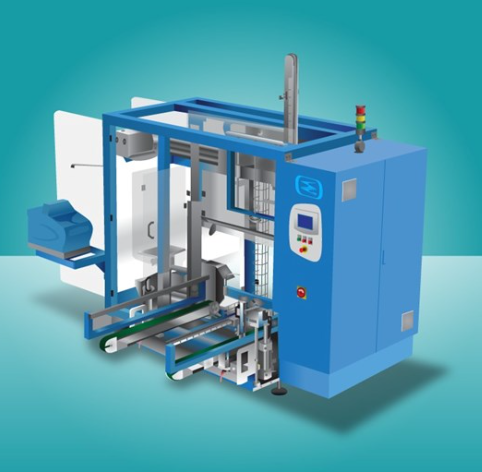
Packing boxes by hand is slow, and it wears out your workers over time. An automatic case erector fixes that problem. It turns flat cardboard sheets into ready-to-use boxes in seconds, without a single pair of hands touching them.
If you run a warehouse, a food plant, or any business that ships products daily, this machine can change how your packing line works. In this guide, you will learn exactly how an automatic case erector works, what types exist, how much they cost, and how to pick the right one for your business.
Table of Contents
- What Is an Automatic Case Erector?
- How Does an Automatic Case Erector Work?
- Types of Case Erectors
- Key Benefits of Using One
- How Much Does an Automatic Case Erector Cost?
- How to Choose the Right Machine
- Signs Your Business Needs One
- Common Mistakes to Avoid
What Is an Automatic Case Erector?
An automatic case erector is a machine that picks up flat, folded cardboard blanks, opens them into a box shape, folds the bottom flaps, and seals the bottom with tape or hot glue. The result is a fully formed carton, ready for products to be packed inside.
You may also hear it called a case former, box erector, or carton erector. Whatever the name, the job is the same: turn flat cardboard into a strong, square box without manual labor.
How Does an Automatic Case Erector Work?
Most case erectors follow five simple steps. Understanding this process helps you see exactly where the machine saves you time and labor.
- Carton feeding: Flat cardboard sheets are stacked in a magazine, and a vacuum arm picks up one sheet at a time.
- Carton erecting: The sheet is pushed or pulled into a box shape using mechanical arms or forming plates.
- Bottom folding: The bottom flaps fold in the correct order automatically, no matter the box size you have set.
- Bottom sealing: Tape, hot glue, or staples seal the bottom flaps shut so the box is sturdy and leak-proof.
- Outfeed: A conveyor moves the finished box to the next station, where it gets filled with product.
This entire cycle usually takes just a few seconds per box, which is why these machines can produce anywhere from 5 to over 20 boxes per minute depending on the model.
Types of Case Erectors
Not every case erector is built the same way. Picking the right type depends on your product weight, box size, and floor space.
| Type | Best For | Floor Space Needed |
| Vertical case erector | Light products, small boxes | Low |
| Horizontal case erector | Heavy or bulky products | High |
| Semi-automatic erector | Small businesses scaling up | Low to Medium |
| Fully automatic erector | High-volume production lines | Medium to High |
Vertical machines form boxes upright, which saves floor space but works best for lighter items. Horizontal machines form boxes on their side, giving better support for heavy products, though they take up more room and usually cost more.
Key Benefits of Using an Automatic Case Erector
- Faster production: Machines form boxes far quicker than any worker can by hand, keeping your packing line moving without delays.
- Lower labor costs: One machine can replace the work of several employees, freeing up staff for other tasks.
- Fewer injuries: Repeating the same folding motion for hours can hurt wrists and shoulders. Automation removes that risk entirely.
- Better consistency: Every box comes out square and properly sealed, which means fewer damaged products during shipping.
- Less wasted cardboard: Poorly formed boxes by hand often get thrown out. Machines cut down on this waste.
- Room to grow: As your order volume increases, a machine scales with you without needing to hire more packers.
How Much Does an Automatic Case Erector Cost?
Prices vary a lot based on speed, automation level, and box size range. Here is a general idea of what to expect.
| Machine Type | Typical Price Range |
| Semi-automatic case erector | $8,000 – $20,000 |
| Fully automatic (mid-speed) | $25,000 – $60,000 |
| High-speed fully automatic | $60,000 – $150,000+ |
These numbers are estimates, and your final price depends on the brand, box size flexibility, and any custom features you add, like automatic labeling or barcode scanning.
How to Choose the Right Machine
Before you buy, think through these questions. They will help you avoid buying a machine that does not fit your actual needs.
- What is your daily box volume? Low volume may only need a semi-automatic model.
- How many box sizes do you use? Some machines need manual adjustment, while others change size automatically.
- How heavy are your products? Heavier items usually need a horizontal erector for better support.
- How much floor space do you have? Measure your space before shopping, since machines vary a lot in footprint.
- Do you need it to connect with other equipment? If you already have a case packer or sealer, check compatibility first.
Signs Your Business Needs One
You do not need to wait until your team is overwhelmed. Watch for these early warning signs instead.
- You cannot keep up with order demand using your current packing setup.
- Workers are reporting wrist, shoulder, or back strain from repetitive folding.
- You are spending too much on temporary or seasonal packing staff.
- Boxes are frequently poorly formed, leading to product damage in transit.
Common Mistakes to Avoid
- Buying a machine that is faster than your packing line actually needs, which wastes money.
- Ignoring maintenance schedules, which leads to jams and unplanned downtime.
- Not training staff properly on size changeovers, which slows down the whole process.
- Choosing the cheapest option without checking part availability and warranty support.
Frequently Asked Questions
How fast is an automatic case erector?
Most models produce between 5 and 20 boxes per minute. High-speed industrial machines can go even faster, depending on box size and complexity.
Can one machine handle different box sizes?
Yes, many modern case erectors allow quick size changeovers, either manually with adjustable guides or automatically through digital settings.
Is an automatic case erector worth it for a small business?
If you are packing more than a few hundred boxes a day, a semi-automatic or entry-level automatic model can quickly pay for itself in labor savings.
What is the difference between a case erector and a case packer?
A case erector forms and seals the empty box. A case packer then loads products into that box. They often work together on the same line.
How long does an automatic case erector last?
With regular maintenance, most industrial case erectors last 10 to 15 years or longer before major parts need replacing.
See also: Ensuring Legal Accuracy and Accountability in Business Operations
Conclusion
An automatic case erector is one of the simplest ways to speed up your packing line, cut labor costs, and protect your workers from repetitive strain injuries. Whether you choose a vertical, horizontal, semi-automatic, or fully automatic model depends on your product weight, box variety, and daily volume.
Take time to measure your actual needs before buying. The right automatic case erector will pay for itself through faster output, fewer damaged boxes, and a packing line that can grow alongside your business.