Ground Anchor Systems vs Concrete Foundations: Which Is Right for Your Project?
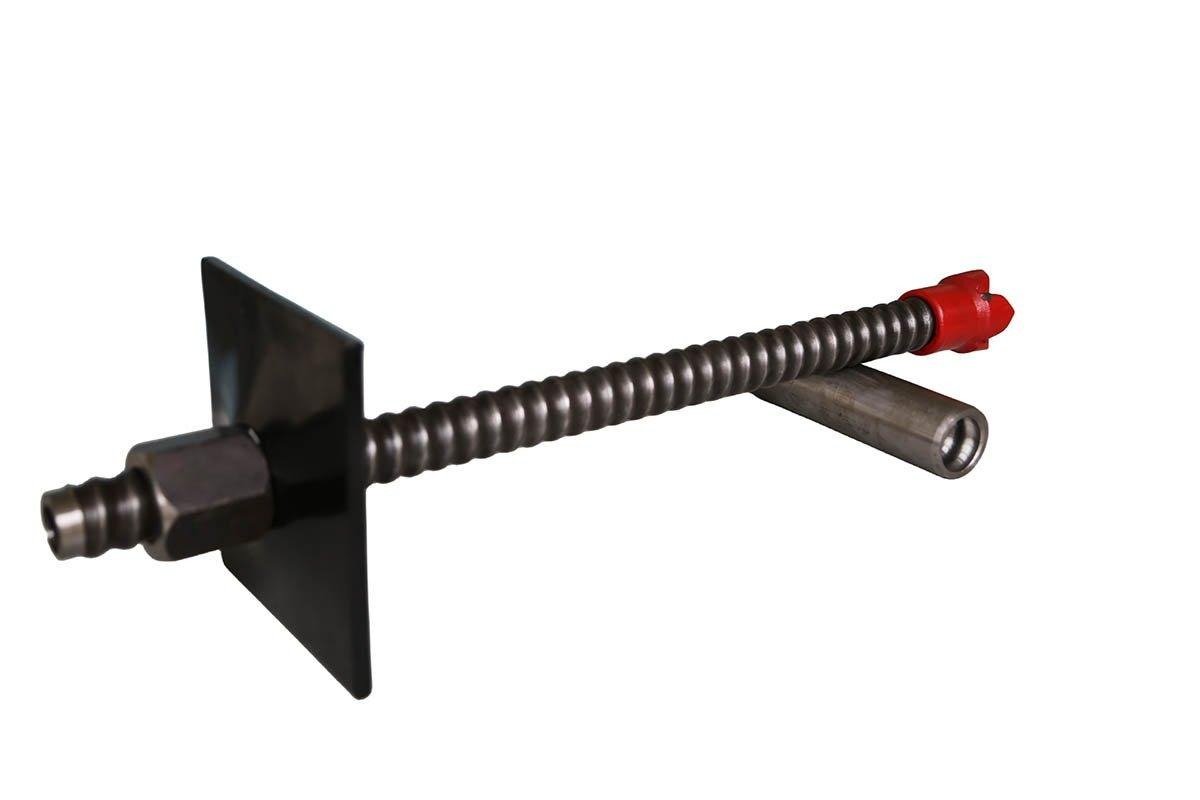
When a structure needs fixing to the ground, most people think of concrete first. It is familiar, heavy and proven. But a ground anchor system, based on steel screw anchors driven into the soil, now offers a genuine alternative for many projects. Choosing between them is not about which is better in general, but which fits your site, your programme and your structure. This article compares the two approaches honestly, so you can make the right call.
How Each Option Works
A concrete foundation works by mass and shape. A hole is dug, formwork is set, concrete is poured and, once cured, the weight and the bond with the surrounding soil hold the structure in place. Anchor bolts cast into the concrete connect the structure to the base. It is a well-understood method, and it suits almost any ground and any load.
A ground anchor system works differently. Steel screw anchors are twisted into the ground, and the helical blade grips the soil. The soil itself provides the resistance, so there is no heavy mass and no curing time. The structure is fixed to brackets on the anchor heads and can be loaded immediately. The two methods reach the same goal, a stable structure, by very different routes.
Speed and Programme
Speed is where ground anchors win clearly. A concrete foundation needs excavation, formwork, a pour and then days of curing before the structure can be built on it. Bad weather can delay the pour, and a concrete lorry must be able to reach the site. A ground anchor system can be installed and loaded on the same day, in most weather, with hand tools or a small machine. For a solar array or a garden room, that can save days on the programme.
Concrete still has a place where the programme allows it. If the foundation is part of a larger build with concrete work already planned, adding a few pads costs little extra time. But as a standalone task, concrete is slow, and the curing wait is time no one gets back.
Cost: Materials, Labour and Access
Comparing costs is not as simple as comparing the price of anchors with the price of concrete. Concrete itself is cheap, but the labour to dig, shutter, pour and finish it adds up, and access for a lorry or a digger can be expensive on tight sites. A ground anchor system has a higher material cost per fixing, but far lower labour and access costs, and no spoil to remove.
On a small project, such as a fence or a pergola, anchors often work out cheaper overall because the work is done in hours by one or two people. On a large project with many fixings, the balance shifts and a careful quote for both options is worth getting. Always compare the full installed cost, not just the materials.
Ground Conditions and Loads
Concrete works in almost any ground, including rock and very soft soil, because the foundation can be shaped to suit: deeper, wider or reinforced as needed. That flexibility is its great strength, and it is why heavy structures and poor ground still call for concrete.
A ground anchor system depends on the soil. Firm loam, clay and gravel suit screw anchors well, but very soft, waterlogged or rocky ground can be a problem. That does not rule anchors out, but it means the soil must be checked first, usually with a trial installation. For light and medium structures on suitable ground, anchors perform well. For heavy loads or difficult ground, concrete remains the safer choice.
Site Impact and Reversibility
A concrete pour disturbs a large area: excavation, spoil heaps, formwork, dust and the risk of wet concrete damaging lawns or paving. A ground anchor system disturbs only a small patch at each anchor point, and the site stays clean and quiet. For gardens, occupied homes and sensitive sites, that difference matters.
Reversibility is the other gap. Concrete stays in the ground when the structure is removed, leaving buried lumps that can complicate future work. Screw anchors can be unscrewed, leaving a small hole that is easily filled. For temporary structures, rented land or sites that may change use, that reversibility is a real advantage.
5 Questions That Decide the Choice
- How heavy is the structure, and what wind uplift must the foundation resist?
- What is the soil like: firm and dry, or soft, wet or rocky?
- How tight is the programme: can you wait days for concrete to cure?
- Can lorries and diggers reach the site, or is access limited?
- Might the structure move one day, or is it permanent?
If the answers point to light loads, good soil, a tight programme and limited access, a ground anchor system is likely the better choice. Heavy loads, poor ground and a permanent build still favour concrete.
Frequently Asked Questions
Is a ground anchor system as strong as concrete?
For light and medium structures on suitable soil, yes, when designed correctly. For very heavy loads or poor ground, concrete is stronger and more predictable.
Can I combine anchors and concrete on one project?
Yes. Some projects use concrete for the main structure and anchors for lighter parts such as fencing or a canopy. The two methods can sit side by side.
Do ground anchors need planning permission?
Foundations rarely change the permission position, but the structure itself might. Check with your local planning authority about the building, not just its foundations.
See also: Navigating the Ethical Implications of Emerging Tech
Final Thoughts
Concrete and ground anchors both do the same job, but they suit different projects. A ground anchor system wins on speed, cleanliness and reversibility, while concrete wins on flexibility and heavy loads. Weigh the soil, the loads, the programme and the site, and the right choice usually becomes clear.