What to Look for When Sourcing Rock Bolts for Construction Projects
Reliable ground reinforcement is essential for maintaining stability in construction, mining, tunneling, and infrastructure development. Choosing the right rock bolt suppliers is an important decision for contractors and engineering companies because product quality, technical specifications, and delivery reliability can directly influence project performance. Understanding the available anchoring technologies and evaluating suppliers carefully can help buyers make better procurement decisions.
Understanding the Different Types of Rock Bolts
Rock bolts are designed to reinforce unstable rock formations by transferring loads and improving the connection between surrounding geological layers. Different designs are available to address specific ground conditions and engineering requirements.
1. Mechanical Expansion Bolts
These bolts use an expansion mechanism to secure themselves inside a drilled hole. They are commonly used in mining and underground construction where suitable rock conditions allow mechanical anchorage.
2. Fully Grouted Rock Bolts
Grouted systems use cement-based materials or resin to establish a bond between the reinforcement element and surrounding rock. They are suitable for various underground support applications.
3. Friction Rock Bolts
These systems develop resistance through contact with the borehole wall. Their performance depends on the surrounding formation and the characteristics of the selected product.
4. Self-Drilling Anchor Bolts
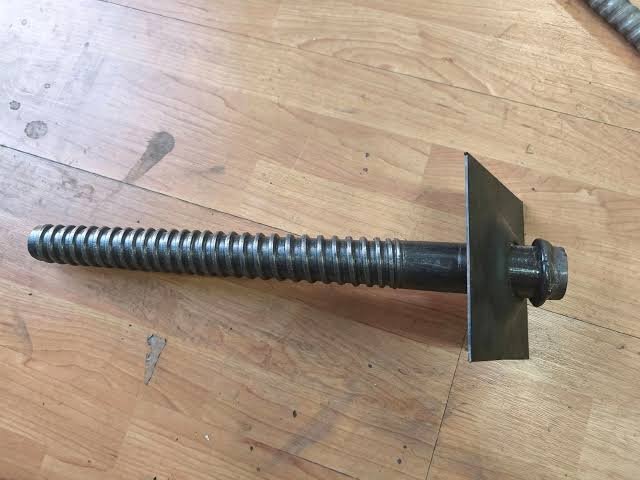
Self-drilling systems combine drilling and anchoring functions through a hollow threaded steel bar. Grout passes through the hollow center during installation, making these products particularly useful in loose or fractured ground where conventional boreholes may collapse.
Important Factors When Evaluating Suppliers
Purchasing reinforcement materials involves more than comparing prices. Buyers should examine several aspects of a supplier’s manufacturing and service capabilities.
Manufacturing Experience: Companies with established production experience may have better knowledge of material processing, product development, and industry requirements.
Quality Control: Review manufacturing certifications, material specifications, and available testing documentation. Consistent quality management helps reduce the risk of receiving products that do not meet project requirements.
Product Variety: A supplier offering different thread configurations, dimensions, steel grades, and anchoring accessories can provide more flexibility for specialized projects.
Customization Capabilities: Some infrastructure projects require non-standard lengths, specialized coatings, or customized components. Manufacturing flexibility can help address these requirements.
Delivery and Technical Support: Reliable communication, appropriate packaging, and dependable delivery arrangements are important for projects operating under strict construction schedules.
Why Material Quality Matters
Rock bolts operate under different mechanical and environmental conditions. Steel strength, ductility, thread geometry, and corrosion resistance are important characteristics that influence product suitability.
For example, galvanized reinforcement can provide additional protection against corrosion in certain environments. Stainless steel options may also be considered for projects exposed to more aggressive conditions.
However, protective treatments and material grades should always be selected according to the engineering design and expected service environment.
Applications Across Construction and Infrastructure
Modern anchoring products support several industries where ground stability is essential.
- Tunnel Construction: Reinforcement systems help stabilize surrounding rock during excavation and operation.
- Mining Operations: Rock bolts provide support for underground roofs, walls, and excavated sections.
- Slope Stabilization: Anchoring solutions help improve the stability of natural and engineered slopes.
- Foundation Engineering: Hollow bar systems can be used in micropiling and specialized foundation reinforcement.
- Hydropower Projects: Underground facilities often require dependable anchoring and ground consolidation solutions.
Each application requires appropriate engineering assessment to determine the correct reinforcement system.
The Value of Working with an Experienced Manufacturer
A capable manufacturing partner can contribute more than the supply of individual reinforcement components. Product development, technical documentation, manufacturing consistency, and customization services can all support successful project procurement.
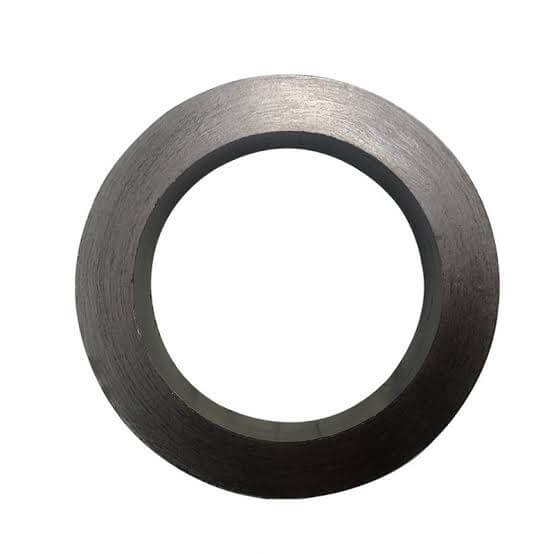
For instance, self-drilling anchor systems typically require compatible components such as hollow bars, drill bits, couplings, nuts, and bearing plates. Obtaining suitable components from a coordinated product range can simplify purchasing and equipment compatibility.
Buyers should also request relevant product information and confirm that the selected materials comply with applicable project specifications.
Conclusion
Selecting suitable rock bolts requires a clear understanding of ground conditions, product technologies, and manufacturing quality. Evaluating suppliers based on experience, testing procedures, product variety, customization, and technical support can help construction professionals make informed decisions.
As infrastructure and underground development continue to expand, dependable anchoring products will remain an important part of safe and effective ground reinforcement.