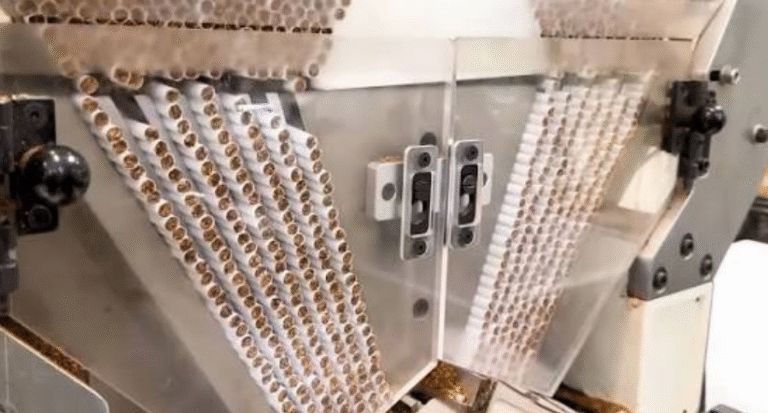
Cut Types Explained: Getting the Right Cut from Your Tobacco Leaf Cutting Machine
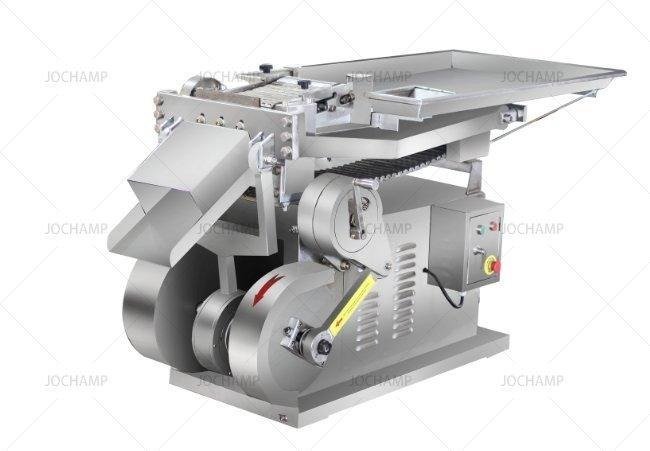
Not all tobacco is cut the same way. A fine shag for rolling, a ribbon cut for a pipe blend and a coarse cut for a chewing product each behave differently, and each needs a different setting on the cutter. Choosing the right cut is one of the most practical skills in tobacco processing, and a tobacco leaf cutting machine that offers flexible settings makes it possible.
What Is a Cut Type?
A cut type describes the shape and size of the tobacco strands after cutting. The most common is the shag cut: long, fine strands that pack loosely and burn steadily. A ribbon cut produces slightly wider, flat strips that suit pipe blends. A coarse cut gives chunky pieces that burn slowly and suit products where a long, cool burn matters.
The cut type affects everything that follows. Fine strands pack tightly and draw easily, while coarse pieces leave more air in the pack and burn more slowly. The same leaf cut two different ways can feel like two different products, which is why the choice deserves thought.
Fine Shag Cut
The fine shag is the workhorse of rolling tobacco. Strands are narrow, usually well under a millimetre wide, and they cling together lightly when packed. This cut rolls easily by hand or machine, burns evenly and gives a steady draw.
To produce a fine shag, a tobacco leaf cutting machine runs with a slow feed relative to the cutter speed, slicing the leaf into narrow strands. The leaf must be well conditioned, because dry leaf shatters at this fineness and produces dust instead of strands. Blade sharpness matters more at fine settings than anywhere else, since a dull edge tears the narrow strands.
Ribbon Cut
A ribbon cut is wider and flatter than a shag, producing strips that lie neatly in a pipe bowl. Pipe smokers value this cut because it packs evenly, lights easily and burns at a relaxed pace. The wider strips also carry flavourings well, which suits aromatic blends.
Producing a ribbon cut means increasing the feed speed relative to the cutter, so each slice is wider. The tobacco leaf cutting machine needs steady feeding here: any variation in the feed shows up at once as strips of mixed width. Operators often check ribbon cuts by eye, spreading a sample on a light surface and looking for evenness.
Coarse and Specialty Cuts
Coarse cuts suit products where a slow burn and a robust texture matter. The strands are wide and chunky, and they need leaf that is pliable enough to cut cleanly at that width. Some machines also produce flake or plug cuts, where the leaf is pressed into a cake before being sliced, giving a dense product that the user rubs out by hand.
Specialty cuts need more care. Pressed cuts require even pressure and consistent moisture, or the cake crumbles. If your range includes these products, check that your tobacco leaf cutting machine can handle the settings and the feed style they require.
See also: Navigating the Ethical Implications of Emerging Tech
Choosing the Right Cut for Your Product
Start with the end user. Rolling tobacco needs a fine, even shag. Pipe tobacco needs a ribbon or coarse cut that packs well in a bowl. Chewing and other products have their own requirements. Once the product is clear, the cut follows.
Consider your market too. If your customers expect a particular cut, changing it can change how they feel about the product, even if the leaf is identical. Consistency within a product line matters as much as the choice itself: once you settle on a cut, hold it steady across batches. A tobacco leaf cutting machine with recorded settings makes that consistency easy to hold.
5 Tips for a Clean Cut at Any Width
- Condition the leaf evenly before cutting, so every strand slices the same way.
- Keep blades sharp, because a dull edge tears narrow strands and crushes wide ones.
- Set feed speed carefully, since the feed-to-cutter ratio sets the cut width.
- Check samples often, spreading them on a light surface to see the width clearly.
- Record the settings for each cut type, so you can repeat them exactly next time.
Adjusting Between Cut Types
Switching cut types takes a little time, and it is worth doing properly. Adjust the feed speed, check the blade condition and run a test sample before the full batch. Clean the feed area between very different cuts, so strands from the last batch do not mix into the next one.
Keep a small reference sample of each cut type you produce. When a new operator starts, or when you return to a cut after weeks away, the sample shows at a glance what the result should look like.
Frequently Asked Questions
Which cut is best for rolling tobacco?
A fine shag cut is the usual choice. It rolls easily, packs evenly and burns steadily, which is what rolling tobacco needs.
Can one machine produce different cut types?
Yes. A tobacco leaf cutting machine with adjustable feed and cutter speeds can produce fine, ribbon and coarse cuts, though switching between them takes a short changeover.
Why does my cut look uneven?
Uneven feeding, mixed moisture or dull blades are the usual causes. Check the feed layer first, then the leaf condition, then the blades.
Final Thoughts
The cut type shapes how tobacco packs, burns and feels, so it deserves the same attention as the leaf itself. Learn what each cut does, set your tobacco leaf cutting machine to suit the product, and check the result as you go. With sharp blades, even feeding and recorded settings, you can produce any cut your range requires, batch after batch.