Choosing Floor Coating Paint for Long-Lasting Concrete Protection
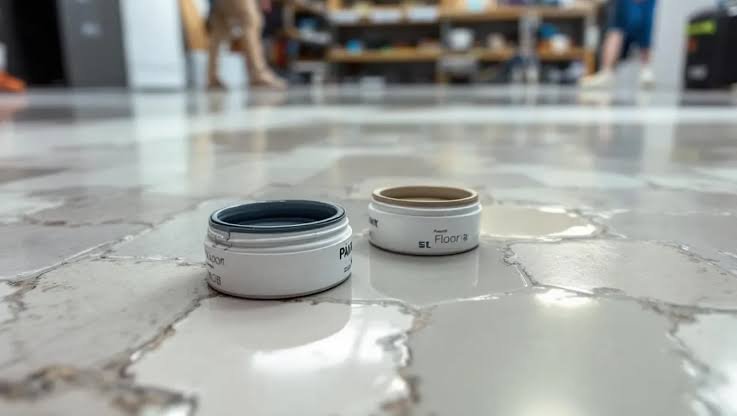
Concrete floors are essential in industrial facilities, warehouses, commercial buildings, garages, and residential properties. However, daily traffic, chemical exposure, moisture, and surface abrasion can gradually reduce their appearance and performance. Applying suitable floor coating paint helps protect concrete, improve surface durability, and create a cleaner, more attractive environment. Selecting the right product requires understanding the available coating materials, application conditions, and performance requirements of the space.
What Should You Look for in Floor Coating Paint?
Not every coating is suitable for every concrete surface. Before purchasing a product, consider how the floor will be used and what conditions it must withstand.
Important factors include:
- Abrasion resistance: Necessary for areas with frequent pedestrian movement, vehicles, and equipment.
- Chemical resistance: Important in workshops, manufacturing plants, and processing facilities.
- Adhesion: The coating should bond effectively with properly prepared concrete.
- Moisture management: Concrete moisture levels should be evaluated before selecting the primer and coating structure.
- Appearance: Gloss level, color, texture, and decorative effects may influence product selection.
Evaluating these requirements helps businesses choose materials that provide practical protection rather than focusing only on decorative qualities.
Popular Types of Floor Coating Paint
Different resin technologies offer different performance characteristics.
Epoxy Floor Coating Paint
Epoxy coatings are widely used in industrial and commercial interiors. They provide strong adhesion to prepared concrete, a hard finish, and resistance to many chemicals. Self-leveling epoxy formulations can create smooth, seamless surfaces, while decorative options such as metallic, marble, flake, and colored-sand finishes offer additional design possibilities.
Polyurethane Floor Coating Paint
Polyurethane coatings are valued for their flexibility, abrasion resistance, and protective properties. Depending on the formulation, they can be used as colored coatings or finishing layers in areas that experience regular wear and cleaning.
Polyaspartic Floor Coating Paint
Polyaspartic coatings are known for fast curing and good UV stability in suitable formulations. They are often considered for projects where reduced installation downtime, weather resistance, and color stability are important.
The most appropriate material depends on the complete flooring design and the manufacturer’s technical recommendations.
Understanding Multi-Layer Flooring Systems
Professional concrete flooring installations often use several compatible layers to achieve the required performance.
Primer: Applied to prepared concrete to establish adhesion and seal surface pores. A moisture vapor barrier primer may be considered when testing identifies elevated moisture conditions and the product is suitable for the substrate.
Midcoat: Builds coating thickness and helps create a uniform surface. It may also serve as a base for decorative flakes, quartz, or metallic pigments.
Topcoat: Provides the final appearance and exposed protective layer. Its formulation determines important characteristics such as gloss, abrasion resistance, chemical resistance, and UV stability.
Selecting compatible products for all three layers is essential for a reliable installation.
Matching Floor Coatings to Different Applications
Industrial warehouses generally require coatings that can tolerate forklift movement, material handling, and repeated traffic. Manufacturing facilities may need additional resistance to oils, chemicals, and equipment-related wear.
Commercial showrooms and retail spaces often prioritize decorative finishes alongside easy cleaning. Garages and parking areas may benefit from textured or flake finishes where additional surface traction is required.
For outdoor concrete, UV exposure and changing weather conditions should be considered when choosing the protective topcoat.
Why Seasonal Formulations Matter
Temperature affects resin viscosity, working time, and curing behavior. In hot conditions, some coatings cure faster and provide less time for application. In colder environments, increased viscosity and slower curing can delay installation.
Summer-grade and winter-grade formulations are designed to address certain seasonal challenges. Contractors should check the manufacturer’s recommended temperature range, humidity limits, mixing ratios, and curing schedules before application.
Prepare Concrete Before Applying Coatings
Proper preparation is essential for achieving good adhesion. Concrete should be inspected for dust, oil, cracks, weak areas, and excessive moisture. Mechanical grinding may be required to remove contaminants and create a suitable surface profile. Repairs should be completed with compatible materials before applying the primer.
Following the technical data sheet at every installation stage helps reduce common problems such as peeling, bubbling, and uneven finishes.
Choosing a Reliable Floor Coating Supplier
A dependable manufacturer should provide product specifications, application instructions, and technical support. JINCHENG offers epoxy, polyurethane, and polyaspartic materials, together with primers, midcoats, topcoats, and seasonal formulations. Its product range also supports different flooring requirements, including decorative finishes and industrial applications.
Contractors, distributors, and private-label buyers should review technical documentation and request samples when evaluating materials for a new project.
Conclusion
Choosing suitable floor coating paint involves balancing durability, appearance, environmental exposure, and installation requirements. By selecting the right resin technology, using compatible coating layers, and preparing the concrete correctly, businesses can develop flooring solutions that support their daily operations and provide dependable surface protection.