How Electrical Infrastructure Affects Home Renovation Costs and Long-Term Maintenance
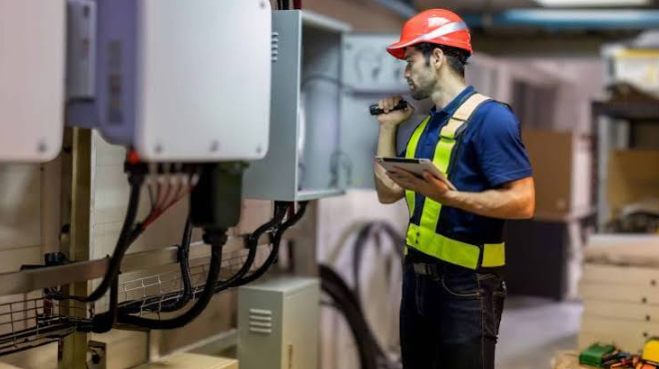
Homeowners planning major improvements often focus on construction materials, interior design, and appliance purchases. However, electrical infrastructure is another important factor that can influence renovation expenses and long-term property maintenance. Older or damaged electrical equipment may require professional attention before new appliances, lighting systems, or additional circuits can be installed safely.
Understanding the factors that affect electrical improvement costs can help homeowners prepare realistic renovation budgets, avoid unexpected complications, and make informed decisions about their property’s electrical requirements.
Why Electrical Infrastructure Should Be Included in Renovation Budgets
Every residential property depends on electrical distribution equipment to supply electricity to different rooms, appliances, and electronic devices.
When homeowners renovate their properties, additional equipment may increase the electricity demand placed on existing circuits.
Ignoring electrical requirements during the planning stage can lead to unexpected expenses once construction begins.
A detailed electrical assessment can help homeowners identify:
- Existing equipment that requires professional attention.
- Additional circuits needed for new appliances.
- Potential electrical capacity limitations.
- Damaged wiring or deteriorating components.
- Necessary permits and inspection requirements.
- Future electrical improvements that should be considered.
Early evaluation helps create a more organized renovation plan.
Common Factors That Influence Electrical Improvement Costs
Electrical project expenses depend on several technical and practical considerations.
Condition of Existing Equipment
Electrical distribution equipment in good condition may require only minor modifications.
However, equipment showing significant damage, corrosion, or deterioration may require more extensive work.
Electrical Service Capacity
The property’s existing electrical capacity influences the type of improvements required.
Adding high-powered appliances may require an assessment of the electrical service and distribution equipment.
Wiring Conditions
Damaged insulation, outdated wiring arrangements, and improper connections can increase the scope of electrical work.
Professional inspections help identify these concerns before renovations begin.
Accessibility of Electrical Equipment
Electrical equipment located in difficult-to-access areas may require additional labor or modifications to meet applicable installation requirements.
Local Permit Requirements
Electrical modifications may require permits, inspections, and coordination with local authorities or utility providers.
These requirements can influence the overall project cost and schedule.
How Household Appliances Affect Electrical Planning
Modern homes often contain numerous electrical devices that contribute to overall electricity demand.
Kitchen Appliances
Electric ovens, induction cooktops, dishwashers, and other kitchen equipment may require dedicated circuits.
Professional planning helps determine suitable circuit arrangements before installation.
Heating and Cooling Systems
Heat pumps, air conditioners, and electric heating equipment may introduce substantial electrical loads.
Their specifications should be reviewed before connecting them to existing infrastructure.
Electric Vehicle Charging Equipment
Home charging stations can increase household electricity demand.
A licensed electrician should evaluate whether the existing electrical service can support the proposed charging installation.
Home Office Equipment
Computers, monitors, printers, and other electronic devices require suitable outlets and reliable circuit protection.
Outdoor Electrical Installations
Exterior lighting, outdoor kitchens, and landscape equipment may require additional circuits and weather-appropriate electrical components.
Warning Signs That May Indicate Additional Electrical Expenses
Certain electrical problems may require corrective work before homeowners proceed with planned renovations.
Repeated Circuit Breaker Trips
Circuit breakers can trip because of excessive current, damaged wiring, or defective appliances.
Recurring interruptions should be investigated professionally.
Burning Odors Near Electrical Equipment
A burning smell may indicate overheating or deteriorating electrical insulation.
This condition requires urgent professional attention because it may represent a serious fire hazard.
Visible Corrosion
Rust, water stains, and moisture damage can affect electrical equipment reliability.
Professional inspection is necessary to determine whether affected components require replacement.
Flickering or Dimming Lights
Persistent lighting fluctuations may indicate loose connections, voltage variations, or other electrical problems.
Damaged Electrical Enclosures
Physical deterioration can compromise the protection provided by electrical equipment enclosures.
Qualified professionals should evaluate visible damage.
When Should Homeowners Consider Replacing Distribution Equipment?
Electrical equipment should be evaluated according to its physical condition, compatibility, and ability to support calculated electrical loads.
In some situations, an electrical panel replacement may be necessary when existing equipment is significantly deteriorated, contains unsuitable components, or cannot safely accommodate required circuit arrangements.
However, replacing distribution equipment does not automatically increase the capacity of the electrical service.
A licensed electrician should evaluate the entire installation to determine whether additional service modifications are necessary.
Not every electrical problem requires complete replacement. Suitable repairs or individual circuit modifications may address certain concerns.
How to Plan a Realistic Electrical Improvement Budget
Proper budgeting helps homeowners understand potential expenses before beginning major electrical work.
Arrange a Professional Inspection
A qualified electrician can examine existing equipment and identify necessary repairs or modifications.
An inspection helps establish the scope of work.
Request a Detailed Written Estimate
A professional estimate should describe the proposed electrical work, equipment requirements, labor charges, and other relevant expenses.
Homeowners should review what is included before approving a project.
Consider Permit and Inspection Expenses
Local regulations may require permits and inspections for certain electrical modifications.
These expenses should be included in the overall renovation budget.
Account for Possible Wiring Repairs
Some electrical problems become apparent only after qualified professionals investigate the existing installation.
A reasonable contingency budget can help manage unexpected corrective work.
Evaluate Future Electricity Requirements
Considering future appliances and planned renovations can help homeowners avoid unnecessary repeated modifications.
Understanding the Difference Between Repair and Replacement Costs
Electrical repairs and complete equipment replacement involve different levels of work.
Individual Component Repairs
Certain problems may be corrected by repairing connections or replacing compatible damaged components.
The suitability of these repairs depends on the condition of the existing equipment.
Circuit Modifications
Adding or modifying circuits may be appropriate when new appliances require additional electrical connections.
These modifications must remain within the installation’s safe operating limits.
Complete Equipment Modernization
Extensive deterioration or significant compatibility limitations may require replacing larger sections of electrical distribution equipment.
Professional assessment is essential for determining whether this work is justified.
Electrical Service Modifications
Increasing utility service capacity may involve additional wiring, service equipment, permits, and coordination with the electricity provider.
These requirements should be evaluated separately from ordinary equipment repairs.
Why Professional Electrical Installation Is Worth Considering
Electrical modifications involve technical requirements and potentially dangerous components.
Even after the main breaker is switched off, some incoming electrical connections may remain energized.
Attempting internal repairs without appropriate qualifications can expose homeowners to electric shock, serious burns, and other hazards.
Licensed electricians have the knowledge and specialized equipment necessary to evaluate electrical systems and complete modifications safely.
Professional services also help ensure that installations comply with applicable electrical codes and manufacturer specifications.
How Preventive Maintenance Can Reduce Unexpected Expenses
Regular electrical maintenance helps identify developing problems before they become more serious.
Maintain Clear Access
Electrical distribution equipment should remain accessible for professional inspection and maintenance.
Protect Equipment From Moisture
Water intrusion can cause corrosion and damage internal electrical components.
Avoid Circuit Overloading
High-powered appliances should be connected to appropriately rated circuits.
Monitor Electrical Warning Signs
Unusual sounds, burning odors, repeated breaker trips, and visible damage should receive professional attention.
Keep Maintenance Records
Documenting inspections, repairs, and electrical modifications can help homeowners plan future maintenance.
Long-Term Benefits of Proper Electrical Financial Planning
Evaluating electrical infrastructure before beginning renovations can help homeowners make better financial decisions.
Professional inspections may identify necessary repairs early, reducing the likelihood of unexpected interruptions during construction.
Accurate electrical planning also helps determine whether existing equipment can support additional appliances without unnecessary replacement.
By comparing appropriate solutions and considering future electricity requirements, homeowners can develop maintenance strategies that balance safety, functionality, and project costs.
Conclusion
Electrical infrastructure is an important consideration when planning home renovations and long-term property maintenance. Existing equipment condition, electrical capacity, wiring requirements, and local regulations can all influence the cost of necessary improvements.
Understanding these factors allows homeowners to prepare realistic budgets and make informed decisions about electrical work.
With professional inspections, appropriate equipment selection, and preventive maintenance, residential properties can maintain safe and reliable electricity distribution while reducing the risk of unexpected electrical expenses.