Building a Reliable Supply Chain for Electric Vehicle Lubricants
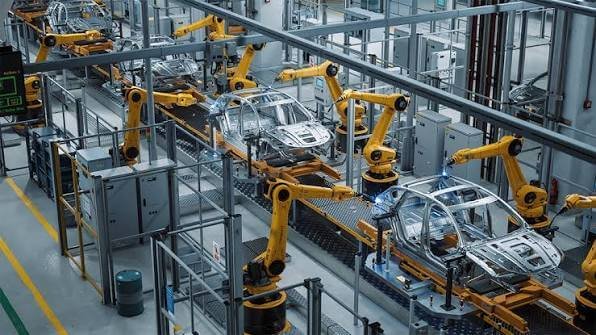
The expansion of electric vehicle manufacturing is changing how automotive companies source and evaluate specialized fluids. As electric drivetrains become more advanced, manufacturers need lubricants that meet specific mechanical, thermal, and electrical requirements. Choosing a dependable electric vehicle fluid oil supplier is therefore an important decision for automotive manufacturers, distributors, and businesses supporting the growing electric mobility industry.
Why Supplier Selection Matters in the EV Industry
Electric vehicle fluids are not interchangeable with every conventional automotive lubricant. Different electric drive units, transmission systems, and cooling arrangements can require specially formulated products. A supplier must understand these application differences and provide suitable product information to help customers make informed purchasing decisions.
An unsuitable fluid may fail to deliver the required lubrication, cooling, or material compatibility. This can affect component performance and create unnecessary maintenance challenges. Working with a supplier that understands modern EV requirements helps businesses reduce selection errors and maintain more consistent procurement standards.
Understanding Different Electric Vehicle Fluid Applications
Electric vehicles use several types of specialized fluids, depending on their design and operating systems.
Electric drivetrain fluids: These products support lubrication in reduction gearboxes, bearings, and other mechanical components. They must provide appropriate wear protection while accommodating the operating speeds and temperature conditions of electric drive units.
Thermal management fluids: Battery packs, motors, and power electronics require effective temperature regulation. Specialized coolants help transfer heat away from important components and maintain suitable operating conditions.
E-transmission fluids: Some electric vehicle designs combine motor and transmission components within an integrated assembly. In these systems, the fluid may need to perform both lubrication and cooling functions.
Understanding these applications allows purchasing teams to identify the correct product category rather than relying on general-purpose automotive oil.
Quality Control and Technical Documentation
Product consistency is a major consideration when sourcing EV fluids in commercial quantities. Automotive businesses need confidence that supplied materials meet the technical requirements of their intended applications.
Before placing an order, buyers should review important product information, including viscosity, thermal stability, oxidation resistance, electrical properties, and compatibility with metals and polymer-based materials. These characteristics can influence how a fluid performs under the operating conditions of an electric drivetrain.
Technical data sheets are particularly useful because they provide measurable product characteristics and application guidance. Buyers should also request relevant test information and confirm that the product meets the vehicle manufacturer’s specifications. This process helps prevent compatibility issues and supports more responsible procurement decisions.
Managing Bulk Orders and Long-Term Supply
For distributors and automotive manufacturers, a reliable supply arrangement can be just as important as product performance. Production schedules and distribution commitments depend on receiving suitable materials at the right time.
When evaluating a potential supplier, businesses should consider production capacity, order flexibility, packaging options, delivery arrangements, and communication practices. Clear information about minimum order quantities and expected delivery timelines can also make purchasing more predictable.
Long-term supplier relationships may improve procurement planning by creating better communication and a clearer understanding of recurring product requirements. Businesses should periodically review product quality and service performance to ensure that supply arrangements continue to meet their needs.
Innovation Is Shaping the Future of EV Fluids
Electric vehicle technology continues to evolve through improvements in battery design, motor efficiency, charging systems, and integrated powertrains. These developments are creating new challenges for lubricant and coolant manufacturers.
Future fluid formulations will need to address increasingly specific requirements involving heat transfer, electrical compatibility, component protection, and extended operating conditions. Suppliers that follow technical developments and invest in product research will remain important participants in the automotive industry’s transition toward electrification.
Conclusion
Specialized fluids are an essential part of modern electric vehicle engineering. Their performance influences lubrication, temperature control, and the protection of important drivetrain components. For businesses operating in the EV market, selecting the right supplier requires attention to technical documentation, product consistency, application suitability, and dependable delivery. A well-managed sourcing strategy can help support efficient operations and prepare businesses for the continuing growth of electric transportation.